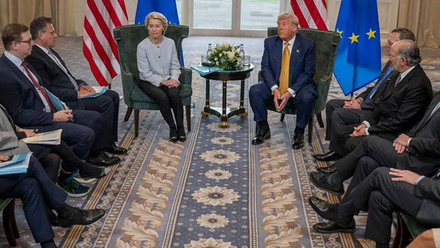
Europe’s reliance on US energy exports was meant to insulate the continent from Russia. But it may result in new and potentially equally powerful vulnerabilities.
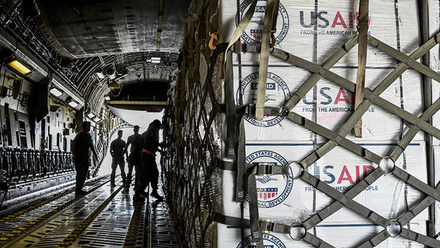
Recent cuts to foreign aid have raised serious humanitarian concerns. They also offer vital insights into the relationship between development and security going forward.
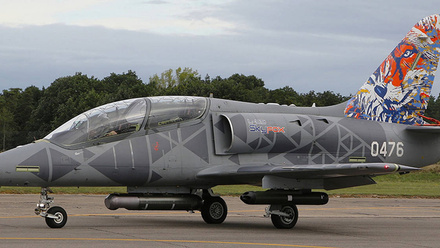
A dedicated multinational NATO squadron of armed jet trainers could shoot down Russian drone incursions without burning through frontline fighters and scarce air-to-air missiles.
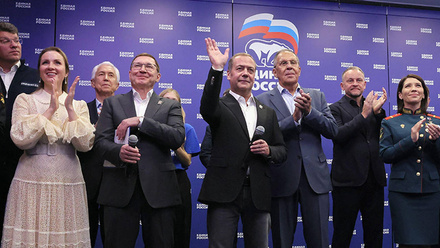
Russia’s elections were a staged affair, designed to legitimise Putin’s war on Ukraine. But elections have never decided Russia’s future. The latest ballots are no exception
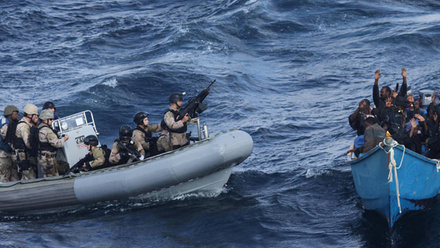
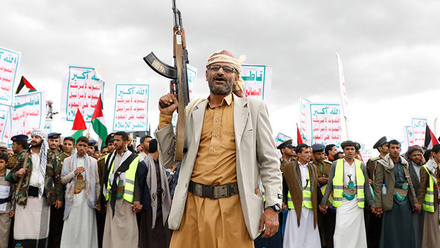
Houthi gains around Bab Al-Mandeb have exposed rival visions of Gulf security, as Saudi Arabia, Israel, Turkey, Pakistan and the US weigh competing responses.
Open-weight AI models place powerful capabilities beyond any developer’s control. The UK should clarify how its investigatory powers apply before criminal use becomes routine.
A CIA director and the Vatican’s foreign minister were in Moscow in August. The spy chief drew the coverage; the Archbishop’s visit showed religion belongs in any analysis and resolution of Russia’s war.
Today’s financial integrity architecture took shape in an era of multilateral cooperation. Can it still be effective in a world divided by war and geopolitical rivalry?
Russian industrial magnate Melnichenko, writing in the Economist, shares an incoherent worldview and shows how Russia’s business elite rationalise the Ukraine war.
The 2025 Defence Industrial Strategy casts universities as suppliers of graduates and research. To deliver it, they must become part of the machinery itself.
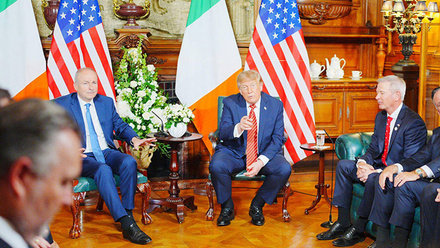
Northern Ireland is NATO territory. Irish unification would remove it from the Alliance – and neither London nor Dublin has planned for the defence consequences.
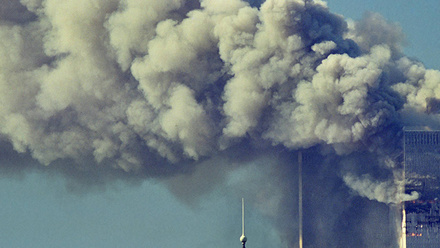
One mystery about 9/11 is why no attack of comparable scale has followed. With new motivations, enhanced delivery and AI-devised weapons, there should be no complacency.
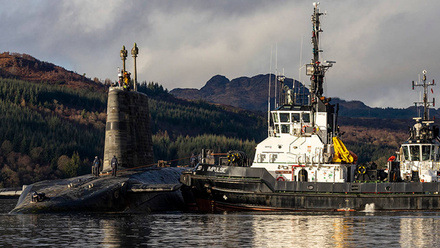
Direct German funding of the UK’s nuclear deterrent would create more problems than it solves. Deeper Anglo-German cooperation on integrated deterrence offers a better path.
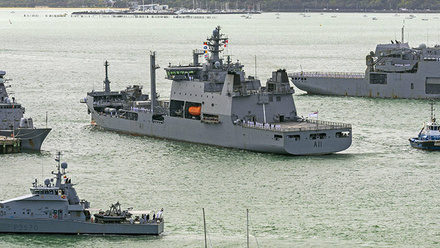
New Zealand's 2025 Defence Capability Plan is a promise, not a result. A Defence Capacity Statement could keep national-security risk, readiness and delivery connected.
A low-cost route to force regeneration: actively manage the Veterans ID card and Defence Gateway to build a dynamic, trained virtual reserve from those who have served.
Russia is learning how to restore command, targeting and sustainment after disruption. NATO should measure success by how long the military function stays unavailable.
Europe's nuclear future prominently on the agenda. But talk is cheap, even of grand designs, and the debate lacks an understanding of joint responses or near-term steps.