This paper examines Tanzania's role in illicit miombo timber flows, associated risks and policy responses, highlighting gaps and opportunities for effective action.
This paper presents a multilevel framework for cyber deterrence, integrating cyber and non-cyber tools to counter threats and enhance national security.
The future of collective defence and the Women, Peace and Security agenda relies on gender and identity analysis to build societal resilience to modern hybrid threats.
This paper examines how UK defence sector challenges and policy reforms impact private capital investment, focusing on procurement, investor risks and innovation barriers.
Colombia's changing criminal landscape has turned Ecuador into a global drug trafficking hub, driving violence and demanding urgent, coordinated security solutions.
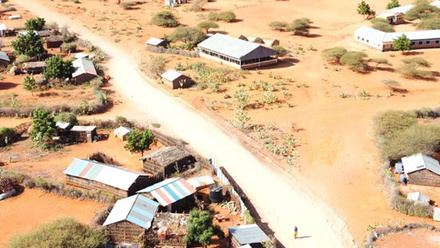
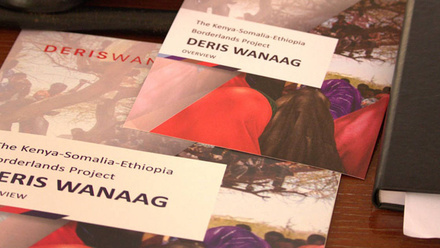
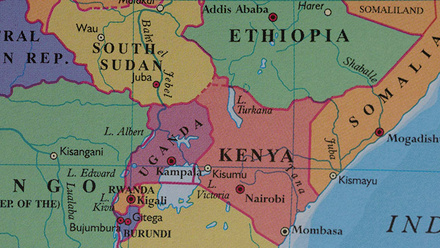
Masculinity norms shape conflict, extremism and gender violence in the Kenya-Somalia-Ethiopia borderlands. Peacebuilding, stabilisation and counterterrorism practitioners must recognise how these interrelationships sustain the threat posed by Al-Shabaab.
FATF greylisting can have unintended negative impacts financial inclusion. This paper offers policy solutions to balance financial integrity with financial inclusion.
This paper explores how intersectional gender analysis strengthens understanding of and defence against state threats using sub-Saharan African threat vector examples.
Russia’s partnership with North Korea could advance Pyongyang’s nuclear weapons programme through technical aid and proliferation financing, particularly in the absence of global controls.
Belgium is a core operational hub for criminal networks. This paper explores how it could break the criminal business model through a finance-led approach.
This paper looks at the lessons to be drawn from sabotage attacks attributed to Russia against civilian infrastructure and logistics in European NATO countries, and questions NATO’s preparedness for future warfare.
Global South approaches to public cyber attribution are more cautious than Western approaches, due to factors including cultural background, foreign policy goals and perceptions of western double standards.
This paper explores transnational anti-rights mobilisation as a hybrid threat to UK and European democracy, driven by foreign actors, funding and influence.