This paper reviews how external state actors weaponise gender and identity to influence and destabilise societies in sub-Saharan Africa through various hybrid threats.
North Korea exploits virtual asset-to-fiat conversion to launder stolen cryptocurrency, fuelling WMD programs. The paper offers risk mitigation strategies.
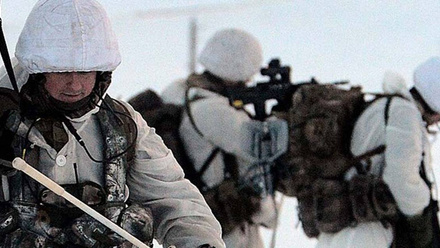
The Royal Marines are reshaping UK maritime strategy in the High North, countering Russian threats and advancing NATO objectives for regional security. This entails a close conceptual integration between the employment of the marines and maritime lines of effort.
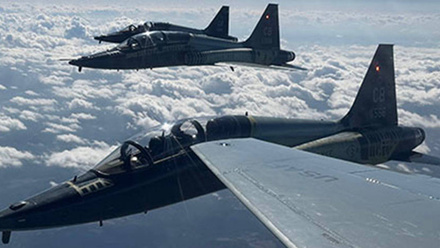
Air forces modernising fast-jet training should prioritise core airmanship skills with regular live flying over increasing tactical complexity at early stages.
This paper explores strategies for UK forces to overcome adversaries' technological advantages through targeted investments, structured engagements and maintaining initiative.
This paper explores how AI is revolutionising proliferation financing and sanctions evasion, revealing new threats, regulatory gaps and actionable policy solutions.
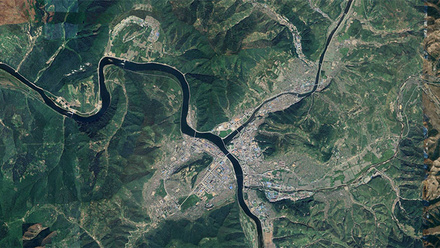
This report on the Aoji-ri Area is the sixth Project Anthracite site profile exploring different chemical production facilities throughout North Korea.
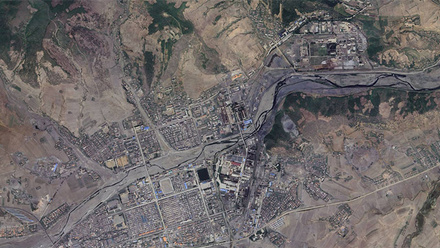
This report on the Kanggye Area is the fifth Project Anthracite site profile exploring different chemical production facilities throughout North Korea.
This paper enables secure third-party evaluation of frontier AI models, balancing safety, security and innovation for defence and security stakeholders.
The UK must overhaul mobilisation and training to meet rising security threats, ensuring rapid force expansion, effective integration and Alliance resilience.
The paper examines the current state of cooperation on cyber security between the UK and South Korea and offers recommendations to strengthen the partnership.
Exploring the evolving role of air manoeuvre forces in European combat, this paper examines their utility, challenges and adaptation to modern threats.