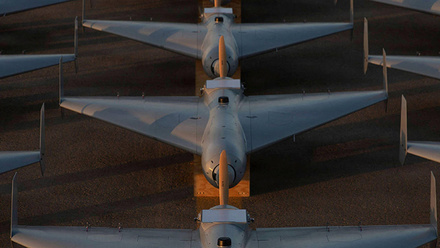
The Iran war shows loitering munitions critically influence conflict. Yet, allied air defences remain inadequate. Remedy requires will and investment in people and technology.
The UAE has emerged as Israel’s most operationally significant Arab partner. But, for now, the relationship is no guarantee of wider regional integration.
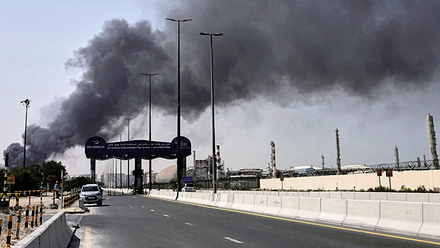
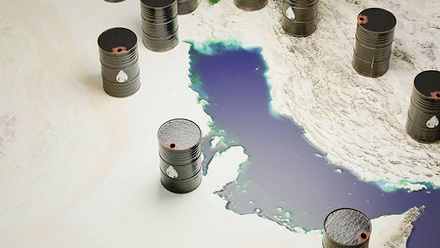
The efforts by the US and Iran to interfere with the flow of oil and gas from the Gulf mirror each other in their intent to affect any final settlement.
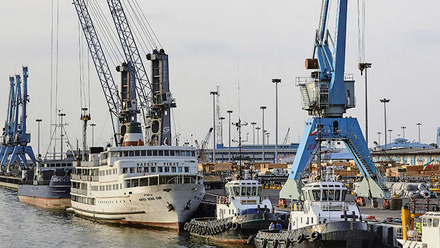
Houthi attacks on shipping are read as an instrument of geopolitical pressure. That reading is incomplete. The attacks have a second, less visible effect – and it is economic.
The war against Iran has tested two competing narratives about security in the Middle East, and have sharpened the resilience of the Gulf Arab Countries.
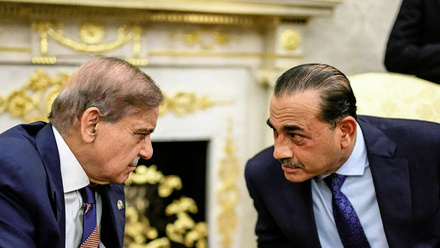
The Iran ceasefire has exposed the limits of American power, as the United States was forced to rely on others to contain a crisis of its own making. It offers a glimpse of a possible future in which the countries of the Global South have both the will and the means to navigate crises on their own terms.
A blockade striking Iran’s Economy will provide direct leverage in negotiations, but that it provokes questions that are going unanswered should impel caution.
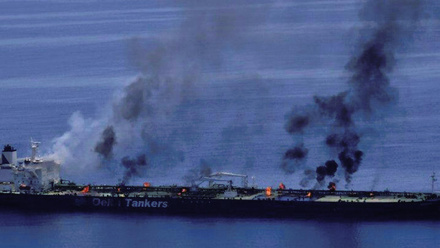
The US government tried to provide political risk insurance and guarantees to shipping and energy firms operating in the Gulf in an effort to keep the Hormuz Strait open. Here is the story why the scheme did not work.
US-Israeli strikes suggest preferred political end-states. Each make assumptions of resilience, anti-regime sentiment and air power effects. Do these assumptions still hold?
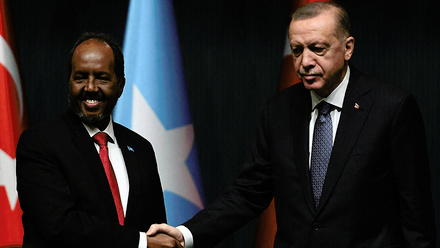
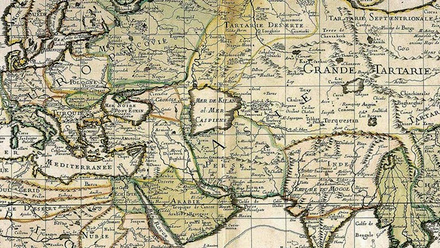
As the Middle East is facing grave uncertainty against the backdrop of what is being called the 'Third Gulf War’, Ankara is managing an uneasy relationship with Iran.
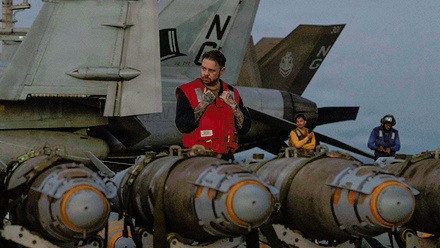
Significant numbers of advanced munitions have been expended, revealing that battlefield dominance matters less than the industrial capacity to replenish critical stockpiles.