The latest round of Pakistan-Afghanistan violence and negotiations highlights how Pakistan’s cyclical policy failures and Afghan Taliban’s tolerance for terrorist havens threaten to derail any prospects for durable peace in the region.
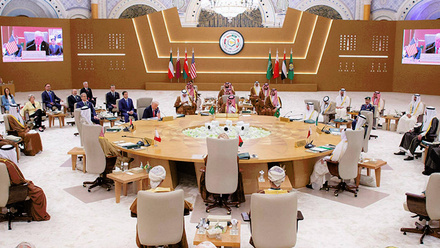
The United States is the only power that can succeed as a peacemaker in the Middle East; but that doesn’t mean the task will be easy. The question now is whether US President Donald Trump has the patience and stamina that brokering a lasting political resolution between Israelis and Palestinians requires.
Five years ago, the Financial Action Task Force issued a call-to-arms for greater focus on the financial dimension of illegal wildlife trade. What results have been achieved?
This paper reports on the first meeting of the RUSI Cyber Sanctions Taskforce, focusing on the role of sanctions in countering cyber state threats, and highlighting their potential to disrupt malicious operations, impose costs on adversaries and reinforce international security strategies.
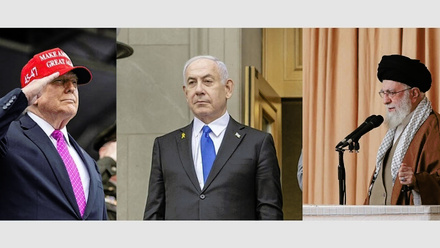
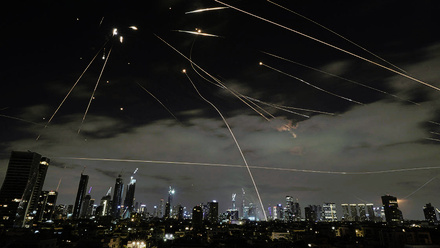
Jane and Jason consider the impact of the hostage release, Gaza's future governance, and the implications of an Iran peace deal as the UN celebrates its 80th anniversary.
Under less than perfect circumstances, a new government is heading to Damascus. But events continue to remind us that Syria's politics go far beyond elections.
Research across different geographies has increasingly reshaped how the relationship between militancy, criminality and legitimacy is understood, with important implications for conflict prevention and peace-making.
While the current peace proposal for Gaza, authored by Israel and the US, no longer includes displacement of Palestinians to Egypt's Sinai peninsula, Cairo is right to be concerned such an idea is a live consideration.
The return of UNSC sanctions on Iran and Tehran’s reaction will define the future of Iran's nuclear programme. But more than that, the lead-up and reactions to 'snapback' highlight and contribute to a broader crisis of legitimacy of international institutions.
Recent events have highlighted the importance of diversifying transport corridors, with railways central in the foreign policy strategy of Russia, China and the West. But it is not without risk.
The shadow fleets of Russia, Iran and North Korea are in the international spotlight, but efforts to counter their operations will fail while these vessels can so easily obtain new flags.
Register your interest for the chance to join a conversation with Anne Neuberger on how states can achieve strategic advantage in and through cyberspace.