Editorial
When writing this editorial at the end of 2025, it is fascinating to see how news coverage has changed in recent months. The headlines now are filled with defence and security stories, often with ministers leading the charge. These are not the depressingly regular reports of foreign wars, generating sympathy and perhaps some empathy but rarely fear for ourselves, our loved ones or our immediate neighbours. They are reports on malign activity near us and against us. It feels like a stark contrast from just a year ago when there was arguably an active downplaying of anything that might startle the general public. If we are now in an era of subtle conditioning, what comes next? France and Germany have announced a new form of national service to deal with ‘accelerating threats’, but what is the British equivalent? And of course, we have seen the publication of the US National Security Strategy with all of its implications.
At the end of November 2025, RUSI hosted its Long War conference. For those unable to attend, I highly recommend catching up with the speeches and panel discussions online. The title is apt because wars are rarely short – we need to think beyond the battle of the first salvo. We need to think of sustainment, reconstitution, public awareness and, of course, public support. The premise of the conference was to tackle these issues and think realistically for the long-term, not just be seduced by the latest tech, nor convince ourselves that we are immune to the horrific realities facing others. But readers of the RUSI Journal don’t need to be told that.
Perhaps not the most positive opening, but welcome to the first issue of the new year. As you will see, there is now a slightly different look and feel to the RUSI Journal. I promised in my first editorial to give more detail on the direction I have in mind for our publication. First and foremost, there will be no reduction in the number or quality of our gold-standard research articles. These labours of love take months to write, review and amend and they really can move the debate in the international security policy community. Features, photo-essays and reviews will all continue, with book reviews increasing in number as we move forward.
However, I think and hope that our readers would like more. We are introducing a new format called Professional Insights. These will be shorter, pithier papers from policy-makers and practitioners with a quicker turnaround time, delivering more current, topical comment and opinion. I hope they will stimulate agreement or disagreement: join the debate!
We will also see more curated topics. I will not make every issue a ‘special issue’ (if everything is special, nothing is special), but I will group content together in themes. The RUSI Journal is fortunate in that it enjoys a healthy mix of submissions from around the world, and in coming months you can expect articles addressing challenges in the High North, on transnational organised crime, and on the 21st century battlefield.
There will always be space for the ‘different’, however. Outlier, blue-sky thinking remains crucial and it is often the new, fresh uncategorised piece that truly hits policy-makers in their metaphorical solar plexus.
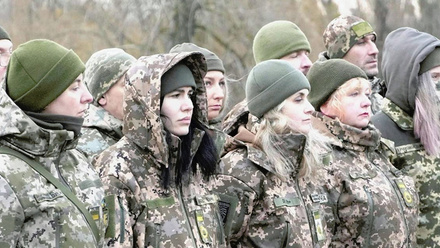
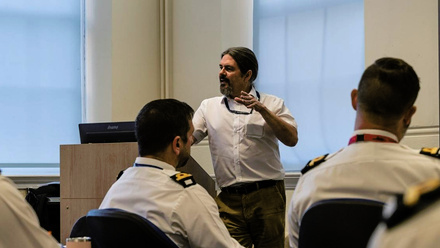
Turning to this issue, we are starting 2026 by focusing on education and training in defence and security. It is an important topic and one on which every single person in our community will have a view – either as a recipient or as a teacher, or both. We range from what the UK Strategic Defence Review may have missed, to educating multi-domain operations, to WPS (women, peace and security) training for the frontline. Our first professional insights offer opinions on higher education sector support to the armed forces, ‘de-nerding’ cyber training and giving future leaders Silicon Valley techniques to tackle seemingly intractable problems.
It is all good stuff. We hope you enjoy it.
Kevin Rowlands, Editor
Research Articles

Members only

Members only


Members only


Members only

Book and Film Reviews
Members only

Members only

Members only
Members only