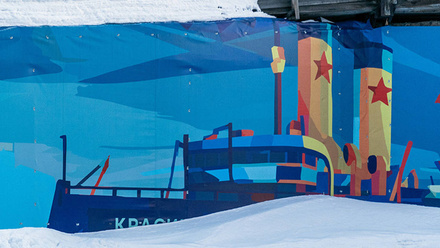
Following Russia’s full-scale invasion, Western governments issued a slew of sanctions against oligarchs. But to what end? What’s been achieved, and what happens next?
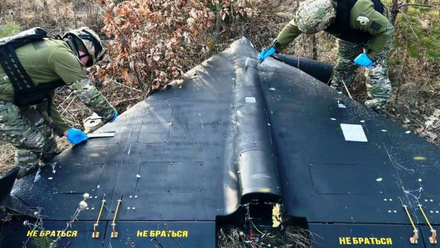
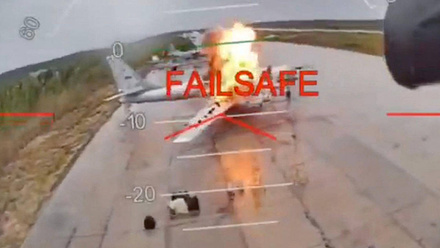
With Russia and Ukraine rapidly adapting to and imitating each other's technical innovations, neither side has been able to gain a decisive edge in the conflict after four years.
Showing Russia that Ukraine can sustain its resistance while expanding the costs on the Kremlin is the only path towards a settlement on durable terms.
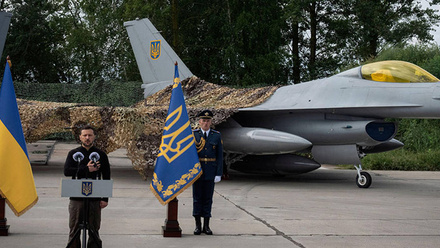
Ukraine has demonstrated remarkable resilience across four years of conflict with Russia, though it faces challenges maintaining its society and military cohesion.
Watch the opening keynote delivered by Lord Vernon Coaker, Minister of State, Ministry of Defence and closing keynotes delivered by Minister Jose Mucio Monteiro, Brazilian Minister of Defence.
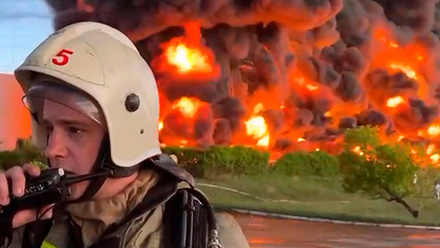
Kyiv’s unprecedented attack campaign on Russian shadow fleet tankers ups the pressure on sanctions-busting shippers and insurers at a time when Russian oil exports are already under strain.
The helicopter has been criticised following extraordinary Russian losses in Ukraine, however the benefits of vertical lift are still obvious within the force mix.
From a conflict expected to be over in days, four years of battle followed Russia's full-scale invasion of Ukraine. The first thing to note is that the war is not over yet.
A conversation with Mark Neville, reflecting on more than three years of combining art with humanitarian support for communities affected by the war in Ukraine.
This paper highlights the urgent need for Europe to reshape its security framework to address emerging threats and ensure long-term stability and strategic advantage against the most significant challenges to European security since 1945.