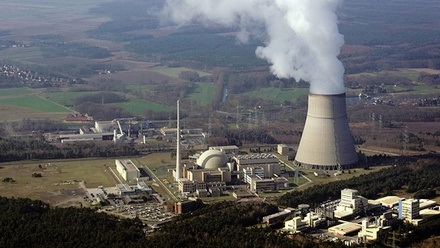
Many countries, including the US and France, continue to import nuclear energy-related goods and technology from Russia. What can be done to lessen this dependence in the wake of Moscow’s aggression?
For future war crimes trials in Ukraine to succeed, it is essential to give thought to how they can address the responsibility of those who fund, or profit from, Russia’s war in Ukraine.
Jane Kinninmont discusses J.D. Vance's controversial Munich speech and the implications for US-European relations and Ukraine's future in this week’s episode.
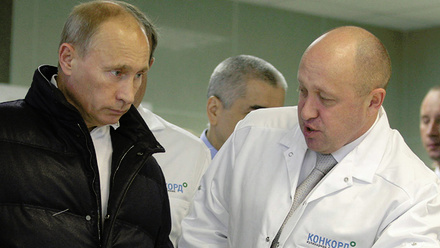
In recent years, Russia has been actively using mercenaries and other irregulars in its operations. The nature of this phenomenon, together with the real goals pursued by the Russian leadership when they are used, deserves further examination.
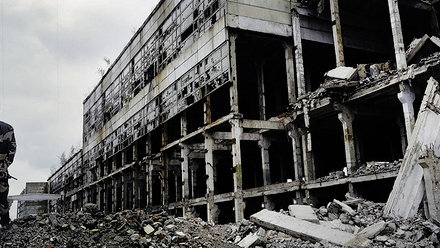
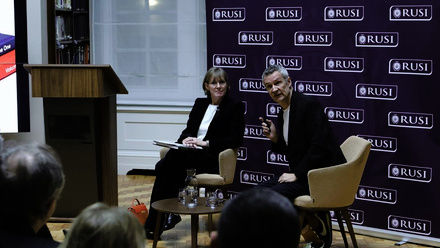
A conversation with Mark Neville, reflecting on more than three years of combining art with humanitarian support for communities affected by the war in Ukraine.
An address by Alicia Kearns MP, Chair, House of Commons Foreign Affairs Committee, on the outcomes of the recent update to the UK’s Integrated Review of Security, Defence, Development and Foreign Policy.
While the provision of Western support to Ukraine has seen some notable successes, the slow pace of decision-making has made it more difficult to capitalise on Russian weaknesses.
This research paper explores Ukraine's innovative wartime diplomacy and strategic communication efforts to counter Russian influence in Latin America and the Caribbean.
Cluster munitions would be valuable in breaking through Russian trenches, while the threat to civilians is negligible amid Russia’s mass emplacement of unmarked minefields.
From a conflict expected to be over in days, four years of battle followed Russia's full-scale invasion of Ukraine. The first thing to note is that the war is not over yet.
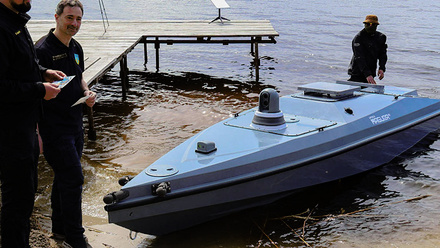
A consideration of other options shows that the success Ukraine has had in keeping the Russian Black Sea Fleet at bay could only have been achieved using uncrewed vessels.
Ukrainian forces are making gains, but the offensive is some way from its decisive phase; we must refrain from premature pronouncements of success or failure.
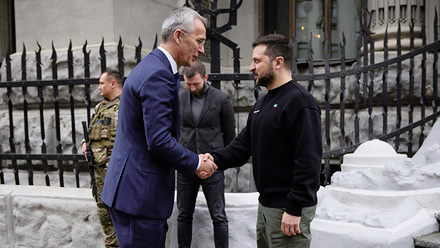
There is good reason to think that, even if Russia and Ukraine reached a peace deal, Vladimir Putin would readily abandon it and re-invade Ukraine at the first opportunity. That is why any agreement must include a guarantee from NATO to protect Ukraine’s independence in the long term.